.jpg)
ChatGPT is no longer just an AI tool: it is gradually becoming a new advertising platform. As of August 24, 2026, OpenAI has launched ChatGPT Ads across 31 European markets, including Hungary, and the Ads Manager became available in Europe on September 1.
.png)
Remember the days when you could just set your target audience's interests, upload a nice image with a short caption, and Meta would practically deliver results on its own? If you try that same strategy in 2026, you’ll likely find your costs skyrocketing while your results plummet.
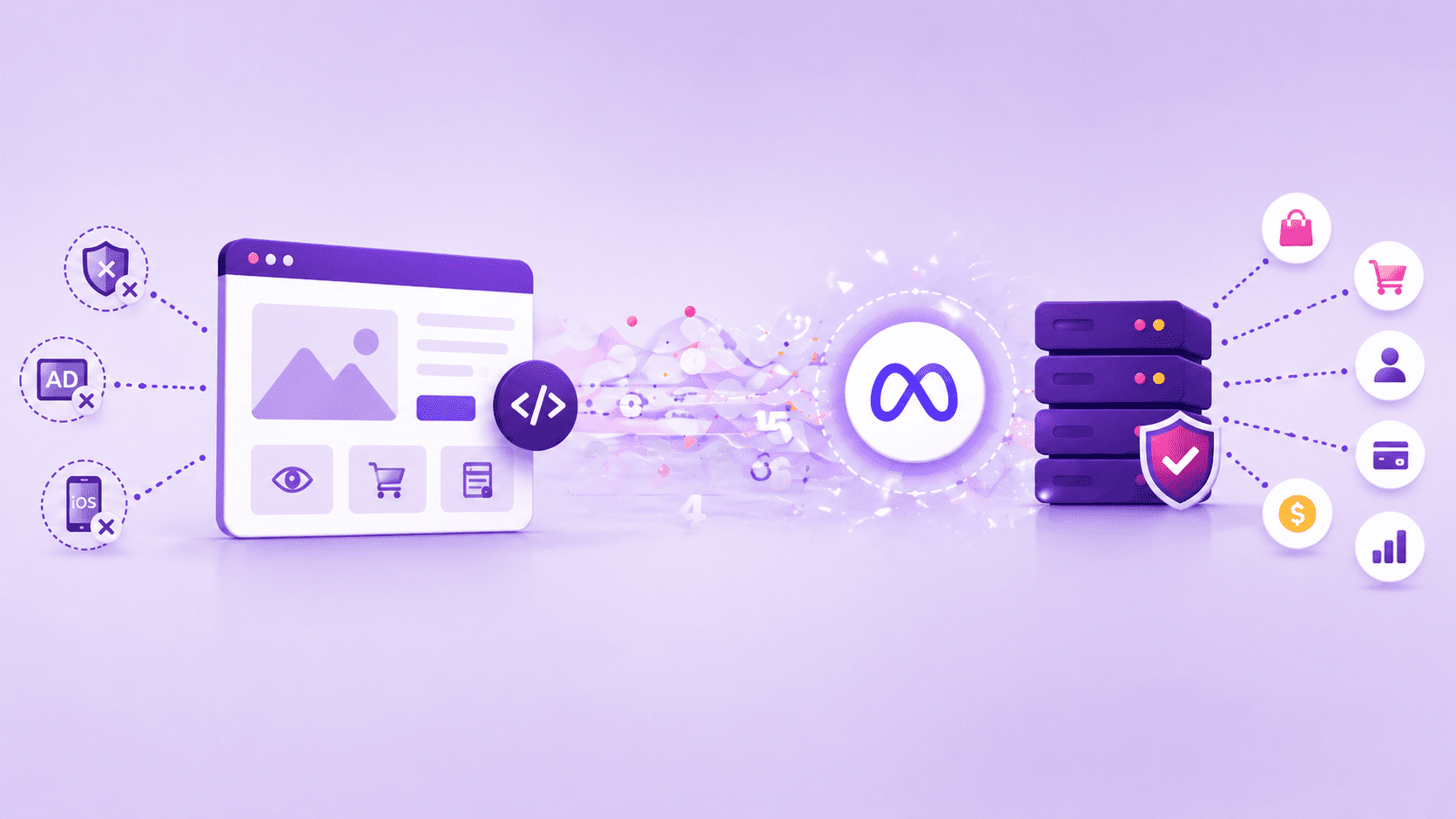
You’re running ads on Facebook or Instagram, and you notice that something doesn’t add up with the numbers. You feel like something’s missing, but you’re not sure exactly what. Or maybe you’ve already noticed one of the following suspicious signs…

In recent years, the world of Google Ads has undergone significant changes. Automation and artificial intelligence are playing an increasingly important role in campaign management, and one of the most important elements of this is the Performance Max campaign type. At first glance, this seems like the ideal solution: a campaign that’s everywhere, with the algorithm deciding where and to whom the ad should be shown. But does it really work in every case? And when should you choose a different campaign type instead? Let’s take a look!

In recent years, TikTok has evolved from an app unknown to many into a strategically significant marketing tool. The platform, which started out with short, entertaining videos, has now developed into a complex interface where content consumption, search, inspiration, and shopping are seamlessly intertwined. And it has long since outgrown the “just for young people” label: It currently has approximately 3.4 million active users in Hungary, and people aged 25–40 are making up an increasingly large proportion of that user base. As a result, TikTok is now a commercially relevant channel—not just a place for “experimentation.”

Artificial intelligence is no longer just a technological marvel or a futuristic promise—it’s now a central part of our everyday online experience. From chatbots to automatically generated content, more and more platforms are powered by AI—and this shift is now fundamentally transforming the world of digital advertising. In this article, we’ll explore how ads appear in AI models, what opportunities this offers advertisers, and what you need to know about it from a marketing strategy perspective.
Google’s new AI Max feature lets you fine-tune your ads using artificial intelligence. But is it really that smart? We tested it on our own campaigns to see how it performs in real life and what impact it has on costs, conversions, and campaign management.
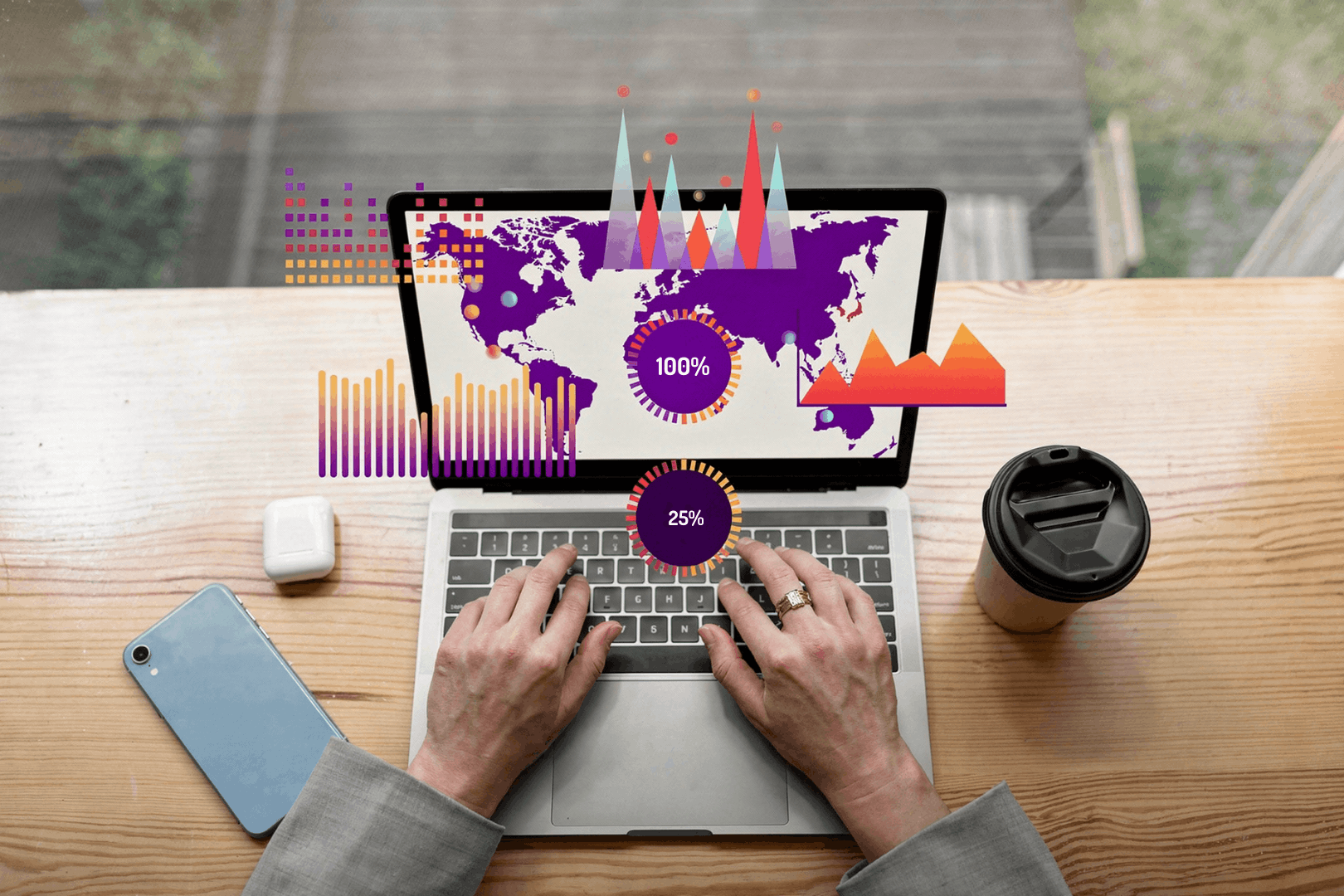
When a campaign doesn’t deliver the expected results, it’s easy to feel like we’ve done something wrong. You launch the campaign, spend money, monitor the results, and nothing happens. At first, you’re still patient—after all, “the system is learning”—but as the days go by, your uncertainty grows. You start optimizing—changing creatives, rewriting copy, increasing the budget—but the results still don’t come. Is the problem really with the campaign? Or could it be that you based your decisions on misleading data from the start?

This year’s Black Friday season is just around the corner, when advertisers and shoppers alike gear up for the biggest online shopping rush of the year. PPC campaigns play a particularly important role during this time; with the right settings, creatives, and offers, you can achieve spectacular results in just a few days. BUT! If you’ve been putting off campaign planning until now, pay close attention, because we’ve got some tips and tricks to help you set up effective “last-minute” PPC campaigns that actually drive conversions—not just clicks.

Although artificial intelligence has only been part of our daily lives for a year or two, various AI-based solutions have already made their way into ad management. Here’s a look at all the ways you can use Google’s artificial intelligence in your campaigns—and what to keep in mind if you decide to give it a try!

Black Friday is one of the busiest online shopping periods of the year, immediately followed by the Christmas sales peak. Those who make smart use of the visitors, data, and customers acquired during Black Friday can not only advertise more affordably in December but also grow their revenue in a much more stable way.