
There are many forms of marketing, and individual types—such as online or offline marketing—require partially or even completely different tools and strategies.
Furthermore, the industry breaks these different categories down into further subcategories; for example, within online marketing, there is:
- search engine optimization (SEO),
- social media marketing,
- email marketing,
- content marketing,
- and PR as well.
Each area of expertise requires different knowledge, specialized insights, and up-to-date skills.
#m1-p#However, there are a few fundamental skills that are essential for every form of marketing.##
These include storytelling, which is key not only in marketing but also in communication and persuasion—primarily because the ability to tell effective stories allows personal or corporate brands to build a deeper connection with their target audience, strengthen the impact of their message, and thereby increase their conversions.
But what is worth knowing about storytelling?
Storytelling as a cornerstone of marketing
Storytelling is one of the most important tools in marketing, helping brands connect with their target audience on an emotional level.
The concept essentially refers to conveying information through storytelling, making it easier to digest, more memorable, and more impactful.
Storytelling is one of the oldest forms of communication, deeply embedded in the functioning of human cultures and societies. Since ancient times, people have used stories to pass on knowledge, traditions, and values, helping to strengthen a sense of community and facilitate the transfer of knowledge between generations. Consequently, stories convey emotions, lessons, and social norms, meaning they not only entertain but also carry value and meaning. The ability of storytelling to convey complex ideas and concepts in a simple, easy-to-understand, and memorable way is essential in many areas of human life, including education, politics, and, of course, marketing.
From a marketing perspective, storytelling is more than just telling tales—it is a strategic tool that helps brands connect with consumers on an emotional level, and vice versa. Through it, companies can create a narrative around which brand identity can be built, defining the interactions between the consumer and the brand. This narrative helps consumers understand what makes the brand special and why it is worth being loyal to it.
The importance of storytelling in marketing has grown significantly in the digital age, where consumers encounter vast amounts of information every day. A well-crafted, emotionally resonant story can cut through the noise and leave a lasting impression. This is why it works in almost every segment: not just in the world of influencers, but even a horoscope site can stand out from the crowd with a well-constructed backstory:
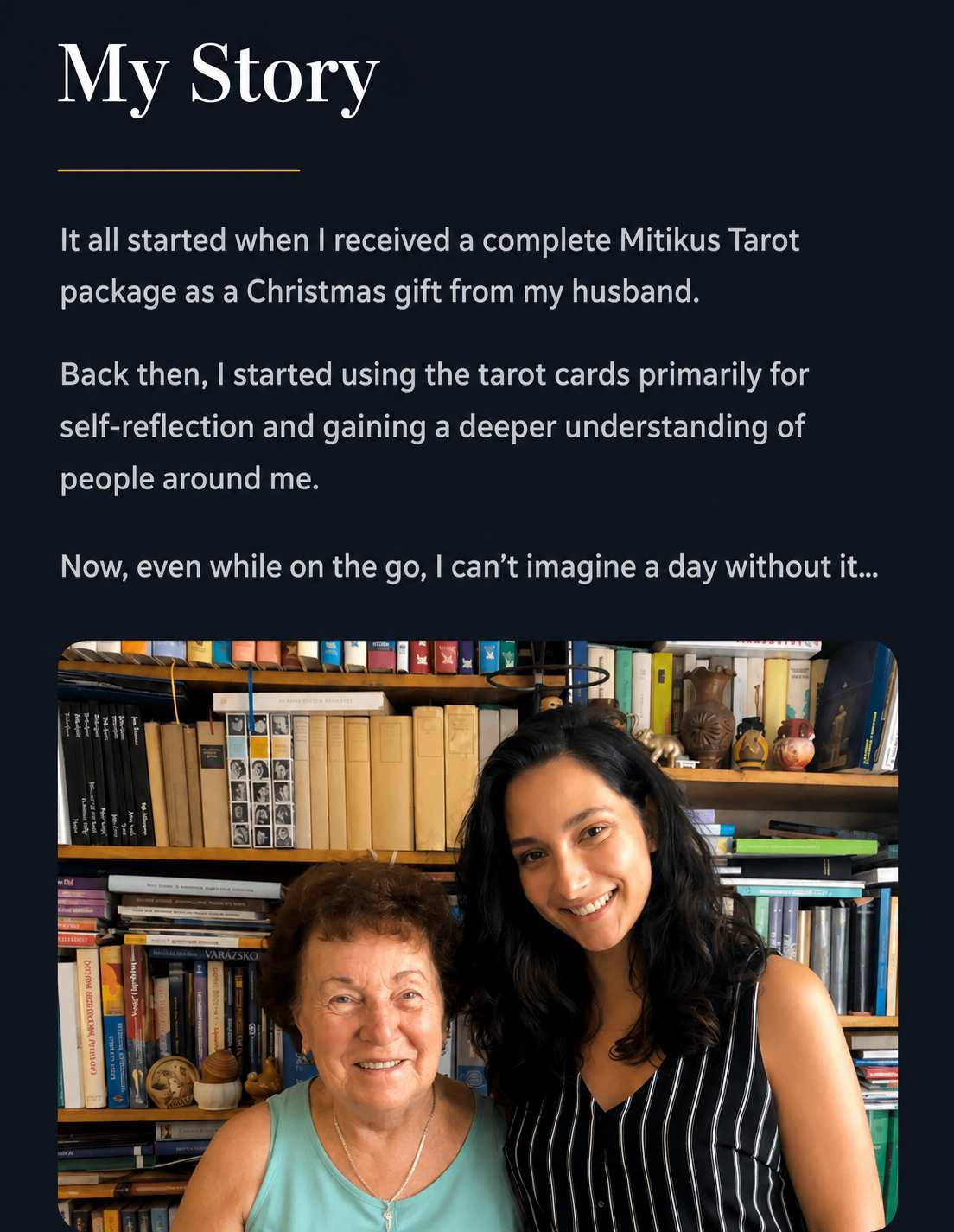
Furthermore, storytelling provides brands with the opportunity to convey a coherent message across various platforms and campaigns, thereby strengthening a unified brand image in the eyes of consumers.
But what does marketing storytelling look like in practice?
Storytelling in practice

Storytelling is a particularly powerful tool in every industry, but especially in marketing, as it helps brands connect with their target audience. It can be used by small businesses, like a local greengrocer, but it is also part of the repertoire of massive corporations like Google or Sony.
But how?
During the storytelling process, marketing professionals must first define the core message around which the story is built. This story must be relevant and engaging for the target audience. Brands often highlight the unique benefits of a product or service in a story that relates to people's everyday lives—meaning they don't necessarily talk about the brand itself, but rather the specific product, such as, building on the previous example, Google Translate or a Sony TV,and then show them in use, in everyday life, with real people who are happy, fulfilled, and satisfied while using them. For a sports shoe brand, this story could be about an average runner's recovery and performance improvement achieved by wearing that specific shoe, along with a backstory about how much the runner suffered with other brands' products before finally finding the ultimate solution. These types of stories help consumers imagine how the product fits into their lives and how it can deliver on its promised values.
#promobox-newsletter###
When crafting stories, personal involvement and the portrayal of emotions are paramount. By tapping into emotions, brands can build a deeper, more meaningful connection with consumers. This emotional approach helps ensure that a brand remains memorable and appealing in the long run. Consider an advertisement that captures the intimate moments of a family gathering, evoking feelings of warmth, togetherness, and happiness; this fosters identification and trust in the brand or the product being showcased. The emotions generated through storytelling can thus be channeled directly into the brand or product itself.
The effectiveness of storytelling can be further enhanced by aligning the right visual and narrative elements. Images, videos, and the narrative work together to bring the story to life. Brands often use characters or protagonists that resemble members of their target audience, allowing for identification, or depict situations that are either familiar or highly desirable to them. Such methods not only amplify the emotional impact of the story but also help increase brand loyalty and engagement with the product or service.
Conclusion
Storytelling is one of the oldest and most effective forms of communication, allowing for the transmission of knowledge, values, and culture across generations.
It is no wonder that almost every industry, including marketing, makes extensive use of it.
In marketing, storytelling helps brands connect emotionally with their consumers by building relevant and compelling narratives around their products or services.
Stories that tap into emotions do more than just grab attention; they can also inspire long-term brand loyalty and commitment.
#m1-y#Supported by effectively applied visual and textual elements, storytelling has become an essential tool in modern marketing strategies.##
If you would like to read more interesting or useful articles like this, keep browsing the Selector blog!
#promobox-en#And what is the story of your business? Write to us and let us know!##






.jpg)
.png)